
Managing Hand Arm Vibration Syndrome In The Workplace
Hand Arm Vibration Syndrome (HAVS) is often underestimated and misunderstood. Understand the causes and symptoms of HAVS and learn how to manage the health and safety risks.
Gain an understanding of the risks and health effects of vibration in the workplace.
Protect employees from hand-arm vibration syndrome and meet your legal duties regarding Hand-Arm Vibration, under relevant health and safety law in accordance with current guidance from the Health and Safety Executive.
Hand Arm Vibration Awareness
Exposure to vibration may not sound dangerous but the effects of Hand Arm Vibration Syndrome can be severely disabling if you ignore the symptoms and carry on without being able to recognize when your exposure exceeds a safe level.
The Control of Vibration at Work Regulations 2005 is designed to protect workers from injury resulting from exposure to hand-arm vibration. To manage the risks from hand-arm vibration exposure and to comply with the regulations you will need to assess, control and monitor exposures, you will also need to ensure that workers understand the risks and have any necessary training.
If workers are at risk you will also need a health surveillance program to monitor any progression of injury and to provide feedback on the effectiveness of your exposure controls.
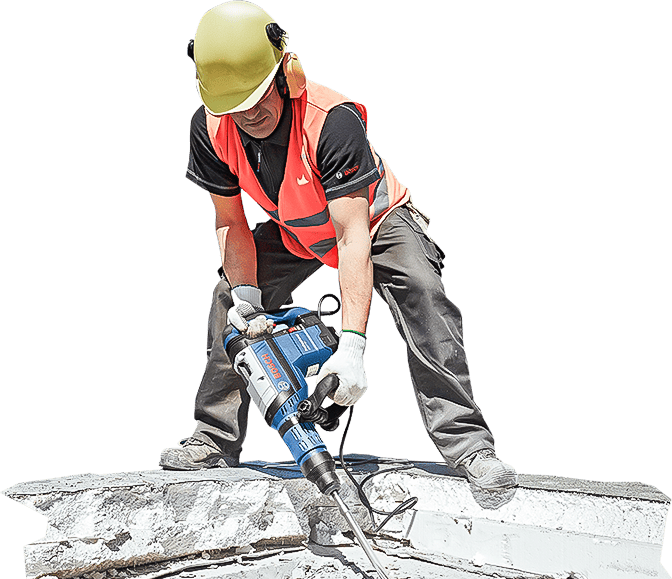
This course will equip employers with a comprehensive understanding of HAVS and provide them with the knowledge and tools necessary to minimize its impact on their workforce.

Understanding HAVS
Hand Arm Vibration Syndrome, or HAVS, is an occupational illness that has become more and more predominant in the workforce.
Regulations
It is important for employers to be aware of these regulations as they help to ensure the safety and well-being of employees who may be exposed to HAVS.

Risk Assessments
The results of the risk assessment will form the basis for the program to control and manage exposure to vibration and HAVS.

Prevention Strategies
Prevention is a key aspect of managing HAVS and ensuring the safety of employees who may be exposed to excessive levels of vibration.

Did You Know:
You could be risking damage to nerves, blood vessels, and joints of the hand, wrist, and arm if you work regularly with hand-held or hand-guided power tools for more than a few hours each day.
Hand Arm Vibration Syndrome (HAVS) caused by exposure to vibration at work is preventable, but once the damage is done it is permanent.
Jobs requiring regular and frequent use of vibrating tools and equipment and handling of vibrating materials are found in a wide range of industries.
There are hundreds of different types of hand-held power tools and equipment, which can cause ill health from vibration.
It is your legal obligation to comply with legislation and regulations. Breaching health and safety regulations is a criminal offense. Companies have a common law duty to ensure the working environment is safe for employees. By not doing so, you can face consequences, including fines or prison sentences.
Reduce The Risk Of Hand-Arm Vibration Syndrome
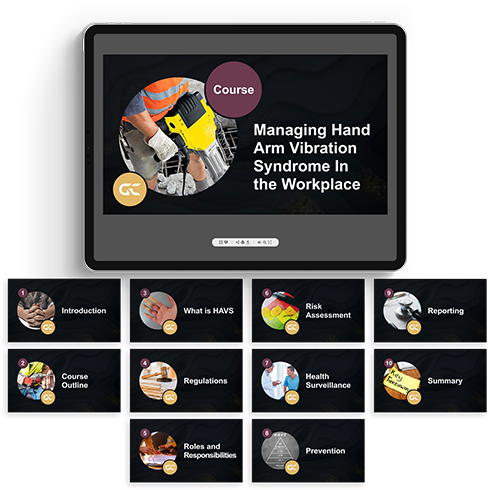
Managing Hand Arm Vibration Syndrome In the Workplace
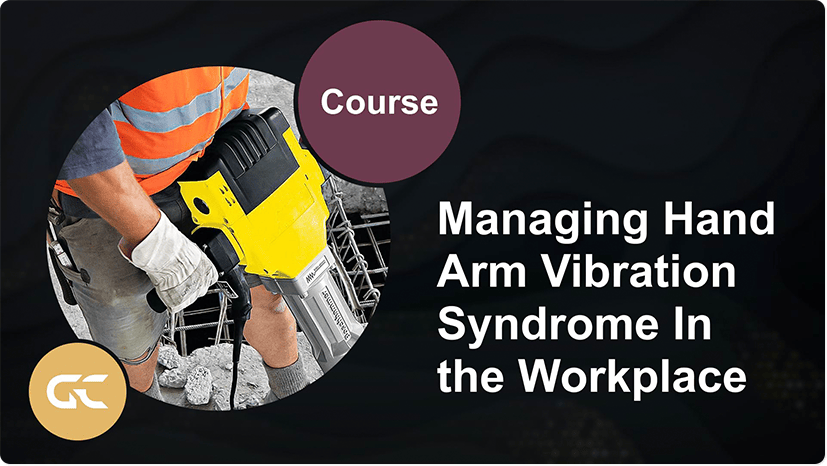
In our HAVS course:
— Gain an overview of Hand-Arm Vibration Syndrome (HAVS), an occupational illness caused by exposure to vibration.
— The course covers various aspects of HAVS, including its definition, risk factors, symptoms, and health consequences.
— The course also discusses the roles and responsibilities of employers and employees in preventing HAVS, as well as the importance of conducting risk assessments, providing health surveillance, and implementing prevention measures.
Gain an understanding of the risks and health effects of vibration in the workplace. Get in-depth knowledge of managing the health and safety risks from HAVS.
About the Instructor
Gavin Coyle
I have been working in the area of compliance and recruiting for over 25 years.
I often get asked why I made health and safety a career and what led me to where I am today.
I want to help and share my experiences with employers and their teams to improve safety, corporate governance, risk maturity, and resourcing so that every employer can find practical and achievable solutions and every worker can feel safe, secure, and without risk within the workplace.

Managing Hand Arm Vibration Syndrome In The Workplace
What You'll Learn

We will provide a foundational understanding of HAVS and offer practical strategies to help manage exposure.

This course aims to equip owners, managers, and supervisors with the basic knowledge and tools necessary to ensure the safety and well-being of their teams and projects.
Hand Arm Vibration Syndrome (HAVS) is an occupational illness caused by the use of hand-held power tools.

We will be discussing the regulations surrounding HAVS in the UK, Ireland, Europe, and other parts of the world.

Once we have an understanding of the regulations surrounding HAVS, we will examine the key roles and responsibilities that must be fulfilled.
We will delve into the risk assessment process and explore various methods for determining the risk levels associated with HAVS exposure.
To effectively prevent Hand-Arm Vibration Syndrome (HAVS), health surveillance is a key component of the HAVS program.
The last step in the HAVS program is the prevention and control of HAVS. We will focus on the practical methods of reducing exposure to vibration.

We will discuss the requirement for reporting occupational illnesses.

We will review the essential information about HAVS and its implications.

Our goal was to provide you with valuable insights into Hand-Arm Vibration Syndrome (HAVS) and the steps you can take to manage this occupational illness within your workforce.
Do Not Be In Non-Compliance!
Learn the steps to minimize exposure to it in the workplace and understand the symptoms, causes, and consequences of HAVS.
All This For Only $27.99/person
Are you part of the 42% increase in Hand Arm Vibration Non-Compliance?
Building Safety Group (BSG) found a 42% rise in Hand Arm Vibration Non-Compliances enforced by the HSE, which can often lead to Intervention Fees chargeable to the organization.
Hand Arm Vibration Non-Compliance means that an organization isn’t taking the necessary steps to comply with The Control of Vibration at Work Regulations 2005.
Why Take This Course?
This course provides an overview of Hand-Arm Vibration Syndrome (HAVS), an occupational illness caused by exposure to vibration.
The course covers various aspects of HAVS, including its definition, risk factors, symptoms, and health consequences.
The course also discusses the roles and responsibilities of employers and employees in preventing HAVS, as well as the importance of conducting risk assessments, providing health surveillance, and implementing prevention measures.
The course concludes by discussing the importance of reporting occupational illnesses and provides a brief summary of the information covered in the course.
Providing health & safety information and training helps you to ensure that you and your employees are not injured or made ill by the work they do. This course will help you find out how you could manage risks better and meet your legal duty to protect the health & safety of your employees.

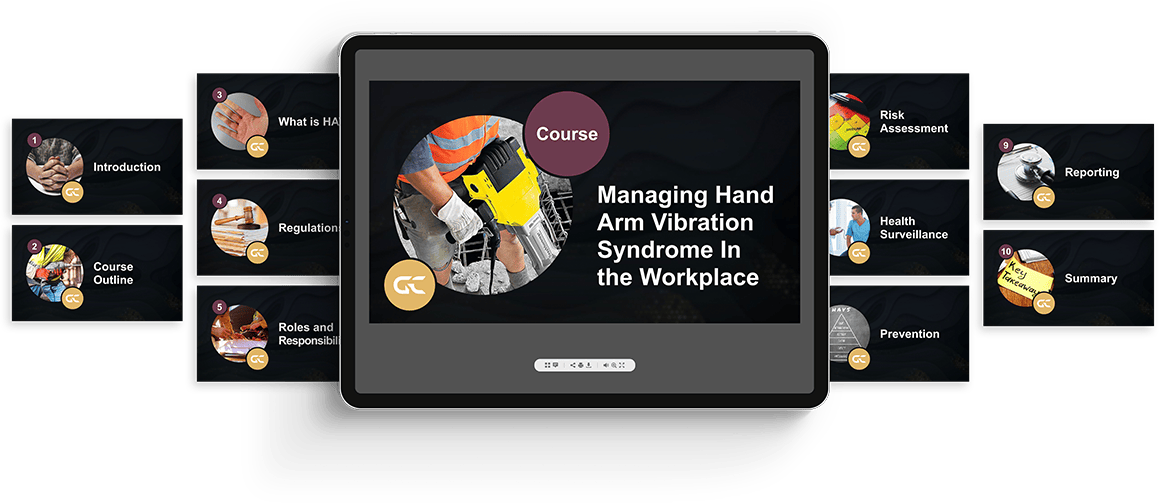
Reduce The Risk Of Hand-Arm Vibration Syndrome
Understand the causes and symptoms of HAVS and learn how to manage the health and safety risks.
Learn the regulations surrounding HAVS and the roles and responsibilities that must be fulfilled.

Identify and measure risks, documentation, prevention strategies and more.

Learn exposure limits, controls, health surveillance, and assessments.
Take the Managing Hand Arm Vibration Syndrome In the Workplace Course Now
Only $27.99/person
Frequently Asked Questions
How are the courses delivered?
All www.gavin-coyle.com have been developed by the leading safety experts within the Coyle Group business.
The aim of the courses is to deliver the necessary information to people in basic language and without much jargon.
The self-directed courses give learners the flexibility to choose a course, and to study it in their own time and at their own pace.
All modules are short in duration and are delivered as basic awareness courses to include downloadable templates and a certificate of attendance.
Who are these courses for?
The online courses are suitable for anyone who wants to increase their awareness of health and safety in the workplace.
They are particularly relevant to those working in construction, and small businesses.
Anyone can enroll and complete any number of courses that will benefit them, their employees, colleagues, service users, or students in the area of safety, health, and welfare in the workplace.
Are the courses certified?
On successful completion of a course, learners can download a certificate of completion.
This certificate is confirmation that you have completed an awareness-raising course.
It is not a qualification but may be used for training record purposes in work or education.
Further information is available on each course outline page.
How many courses can I take?
You can take any number of courses in the online suite.
Once you have registered and have your login details, simply browse the list of courses available.
You may choose any of the courses available that are beneficial and of interest to you.
Simply follow the instructions to login and enroll.
How long does it take to complete a course?
The time to complete a course will vary.
Most of the courses have an estimated completion time of 45min minutes, others will take approximately 1 hr 30 mins minutes to complete.
Can you save a partly completed course and come back to it?
Yes, you can progress through a course at your own pace.
The system will save your progress and you can leave a course and logout and come back and complete it at a later time/date.
However, you must complete the entire course successfully to receive certification.
How long will I be enrolled on a course for?
Once you have been enrolled on a course you can access it any time, even if you have completed the course.
The course may be reviewed in review mode without affecting your progress.
© Gavin Coyle, 2023